Dreams. Those nightly voyages into the surreal, the symbolic, and sometimes, the downright bizarre. We all experience them – typically 4 to 6 times a night – yet most vanish from our conscious memory like morning mist. But what if we could understand these fleeting visions? What if we could decode the secrets our subconscious whispers while we sleep? This guide dives deep into the fascinating world of [keyword], exploring the most common types and offering insights into their possible meanings. We'll also point you to resources that can help you explore specific dream experiences.
Why Understanding Your Dreams Matters
While 95% of our dreams are forgotten swiftly, the ones that linger often do so for a reason. Dreams, particularly vivid dreams experienced during REM sleep, are influenced by our waking lives – our joys, our stresses, and our deepest emotions. Some believe they're meaningless noise, but others see them as a pathway to self-discovery, a way for our minds to process information and grapple with unresolved issues.
Exploring the Spectrum of Dream Experiences
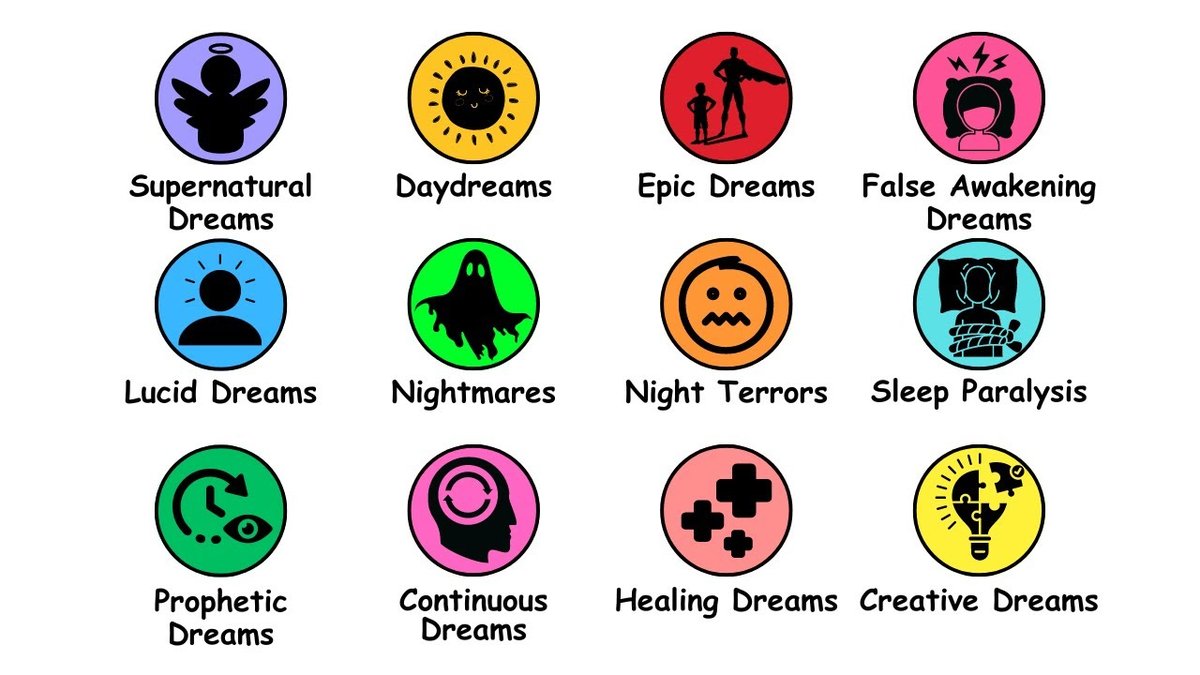
Dreams aren't a monolithic experience. They come in many forms, each with its own characteristics and potential significance. Let's explore some of the most common [keyword]:
- Standard Dreams: These are your everyday dreams, predominantly visual and often reflecting the events of your day. They can be in color or black and white, and their content can range from mundane to mildly interesting.
- Nightmares: We all know the feeling of waking up from a nightmare – heart racing, a lingering sense of dread. Nightmares are disturbing dreams often triggered by stress, sleep deprivation, or traumatic experiences. Recurring nightmares, where you revisit the same terrifying scenario or a similar unsettling theme, can signal underlying mental health issues that need addressing.
- Night Terrors: More common in children, night terrors are distinct from nightmares. They involve waking up in a state of extreme panic, often screaming and exhibiting violent movements. Unlike nightmares, there's usually little to no recall of the dream itself.
- Lucid Dreams: Imagine being aware that you're dreaming while you're dreaming. That's the essence of a lucid dream. Some even learn to control the narrative, becoming the directors of their own subconscious movie.
- Daydreams: These waking fantasies can be a pleasant escape from reality, a way to explore possibilities and indulge in wishful thinking. Check out our expanded guide to different types of dreams and for a deeper look at how they impact well-being.
- Recurring Dreams: These dreams repeat with similar themes – being chased, falling, or losing teeth. Recurring dreams often point to unresolved issues or persistent anxieties.
- False Awakenings: Ever dreamt that you woke up, only to realize you were still dreaming? These "false awakenings" can be disorienting, often occurring in conjunction with lucid dreams or sleep paralysis.
- Healing Dreams: These dreams bring a sense of peace, connection, or joy. They can be incredibly restorative, offering emotional balance and a sense of well-being.
- Prophetic Dreams: The belief that dreams can foretell the future is an age-old concept. Whether you believe in prophetic dreams is a matter of personal conviction.
- Vivid Dreams: Intense, realistic, and easily remembered, vivid dreams can be triggered by pregnancy, stress, or certain medications.
- Symbolic Dreams: Dreams where objects, people, and situations are represented by symbols, requiring interpretation to uncover their meaning.
- Fantasy Dreams: Imaginative and escapist dreams that offer comfort and stress relief.
- Problem-Solving Dreams: Dreams that present challenges or scenarios that require creative solutions.
- Supernatural Dreams: Rare and memorable dreams that include premonitions, telepathic experiences, shared dreams, and visitations.
- Health Dreams: Dreams where elements like doors or parts of a house symbolize aspects of your body and communicate messages about your health.
- Epic Dreams: Long, detailed, and immersive dreams that feel like entire journeys.
Decoding Common Dream Themes
Beyond the types of dreams, certain themes pop up repeatedly across cultures and individuals. Here are a few of the most prevalent:
- Falling: Often associated with a loss of control, insecurity, or anxiety.
- Being Chased: Represents feeling threatened, overwhelmed, or avoiding something in your waking life.
- Dying: Surprisingly, dreaming of death rarely signifies actual physical death. Instead, it often symbolizes the end of something – a relationship, a job, or a phase in your life – and the beginning of something new.
- Teeth Falling Out: This unsettling dream theme is often linked to stress, significant life changes, or concerns about dental health.
- Being Naked in Public: Represents vulnerability, fear of exposure, and anxiety about being judged.
- Pregnancy: Symbolizes new beginnings, potential, and growth.
- Flying: Represents freedom, a sense of accomplishment, and overcoming obstacles.
- Sex or Cheating: Can indicate desires, anxieties about relationships, or feelings of insecurity. If you're dreaming you are someone else entirely, there could also be other symbolic reasons.
Factors That Influence Your Dreamscape
Numerous factors can shape the content and intensity of your dreams:
- Age: Childhood is often associated with night terrors, while pregnancy can trigger vivid dreams and nightmares.
- Life Events: Grief can lead to intense and meaningful dreams, while stress, anxiety, and trauma are often linked to nightmares.
- Diet & Substances: A late-night spicy meal or certain medications can fuel unusual dreams. Alcohol can suppress REM sleep early in the night, leading to a "REM rebound" later, resulting in intense dreams.
- Environment: A too-hot room or external noises can seep into your dream narrative. Sensory-Triggered Dreams show how your environment matters.
Interpreting Your Own Dreams: A Personal Journey
Dream interpretation is a subjective process. What a particular symbol means for one person may be entirely different for another. Freud believed dreams reflected repressed desires, while Jung saw them as tapping into a shared "collective unconscious."
Pay attention to your emotions during the dream and upon waking. What feelings did the dream evoke? What personal associations do you have with the symbols and events in the dream? Keeping a dream journal can be incredibly helpful in identifying patterns and recurring themes. We mentioned recurring dreams earlier, and if you're finding that your dreams feel too real, explore that feeling more deeply.
Enhancing Dream Recall and Influence
Want to remember your dreams more clearly and perhaps even influence them? Here are a few techniques:
- Dream Journaling: Keep a notebook and pen by your bed and write down your dreams immediately upon waking. Digital options like Dream Journal Ultimate or Lucid – Dream Journal are also great for tagging themes and tracking symbols.
- Reality Testing: Throughout the day, ask yourself, "Am I dreaming?" and perform a reality check (e.g., looking at a clock twice to see if the time changes). This practice can increase your chances of becoming lucid in a dream.
Knowing When to Seek Professional Help
While dreams are usually harmless, sometimes they can be a sign of an underlying issue. Consider consulting a healthcare professional if:
- Dreaming interferes with your sleep or daytime functioning.
- Nightmares cause significant anxiety or fear.
- Nightmares started after a traumatic event.
- You avoid sleep due to fear of your dreams.
If you are having mental health issues and require help in understanding your dreams it is best to contact dreams usa.
Embracing The Mystery
Dreams remain one of the great mysteries of the human experience. While we may never fully unlock their secrets, exploring our dreams can be a fascinating journey of self-discovery, offering insights into our deepest thoughts, emotions, and desires. Embrace the mystery, explore your subconscious, and see where your dreams may lead you.