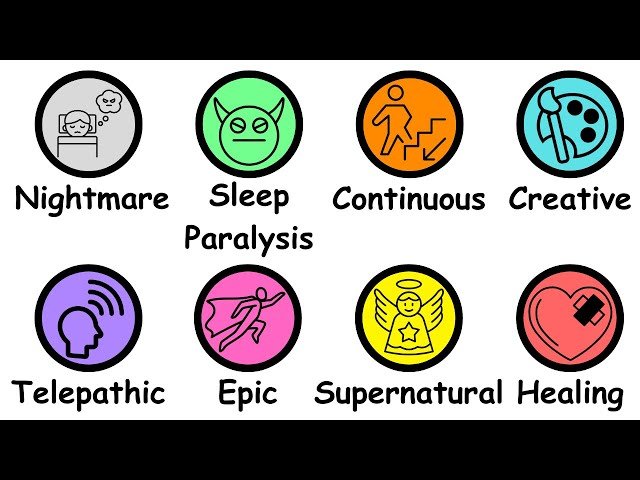
Ever woken up utterly bewildered by a dream so bizarre it felt like another reality? Or maybe you've experienced the frustration of a recurring nightmare that just won't let you rest? Understanding what kinds of dreams are there is the first step to unlocking the hidden messages our subconscious sends us each night. While some dreams are mundane replays of our day, others delve into the deepest corners of our minds, offering insight into our fears, desires, and even our potential.
At a glance:
- Discover the difference between standard, lucid, and recurring dreams.
- Learn how nightmares and night terrors differ, and what triggers them.
- Explore the potential meanings behind vivid, prophetic, and healing dreams.
- Understand the impact of sleep stages and external factors on dream content.
- Get practical tips on how to work with your dreams through journaling and intention-setting.
The Spectrum of Dream Experiences: From Everyday to Extraordinary
Dreams are as diverse as the people who experience them. Each type offers a unique window into our inner world, providing clues about our emotional state, unresolved conflicts, and creative potential. Let's explore some of the most common and intriguing types of dreams.
The Usual Suspects: Common Dream Categories
- Standard Dreams: These are the bread-and-butter of dreamland: narratives with characters, settings, and a plot. They often reflect daily experiences and concerns.
- Recurring Dreams: Think of these as your subconscious hitting repeat. They often signal an unresolved issue or a need that's not being met. Example: continually dreaming you are back in high school might indicate lingering insecurity about social acceptance.
- Anxiety Dreams: Stress and worry manifest in these dreams, often involving feelings of being overwhelmed, unprepared, or in danger.
- Wish Fulfillment Dreams: These dreams allow you to live out your deepest desires, perhaps revealing your true wants that you might not consciously acknowledge.
- Everyday Dreams: Replaying and processing daily events. These dreams often consolidate memories and help us make sense of our experiences.
Taking Control: Lucid Dreams
Lucid dreaming is the experience of knowing you're dreaming while you're still in the dream. It's like becoming the director of your own dream movie. Approximately 55% of people report having experienced a lucid dream at some point in their life. This awareness opens the door to potentially controlling the dream's narrative and environment.
Practical Tip: To increase your chances of lucid dreaming, try performing frequent "reality checks" during the day – for instance, looking at a digital clock, looking away, and looking back to see if the time changed. This habit can carry over into your dreams, triggering lucidity.
The Dark Side: Nightmares and Night Terrors
- Nightmares: Frightening dreams that often leave you feeling anxious and distressed. They can be triggered by stress, trauma, anxiety, or certain medications.
- Night Terrors: A more intense experience than nightmares, night terrors involve abrupt arousal from sleep, often accompanied by screaming, flailing, and a sense of terror. Critically, individuals typically have no memory of the event afterward, as they occur during non-REM sleep.
Key Difference: Nightmares occur during REM sleep and are typically remembered, while night terrors occur during non-REM sleep and are usually not remembered.
Actionable Advice: If you experience frequent nightmares, create a relaxing bedtime routine, practice good sleep hygiene, and consider seeking therapy, particularly Imagery Rehearsal Therapy (IRT), which can help you rewrite the narrative of your nightmares.
Beyond the Ordinary: Exploring Unique Dream Types
- Vivid Dreams: These dreams are exceptionally clear, detailed, and realistic. They can be influenced by factors like stress, illness, or pregnancy.
- False Awakenings: The unsettling experience of dreaming that you've woken up, only to wake up again (and possibly again!).
- Prophetic Dreams: Dreams that seemingly predict future events. While these are intriguing, it's important to approach them with skepticism while remaining open to the possibility.
- Healing Dreams: Dreams that bring a sense of balance, connection, or resolution, often related to emotional or spiritual healing.
- Epic Dreams: Long, detailed dreams that feel like a journey, often coinciding with significant life changes or periods of personal growth.
- Out-of-Body Experience (OBE) Dream: Dreams where you feel like your consciousness is floating outside your body.
- Visitation Dream: Dreams where deceased loved ones appear, often offering comfort or guidance.
- Rehearsal Dream: Dreams where you're practicing for an upcoming challenge or event.
- Problem-Solving Dream: Dreams that present a puzzle or challenge, and sometimes even offer a solution.
Special-Case Dreams: Influenced by Body and Mind
- Hypnagogic Dreams: Fleeting, often nonsensical images and sensations experienced while falling asleep. These can include visual patterns, sounds, or even a sensation of falling.
- Fever Dreams: Bizarre, intense, and often disturbing dreams that occur when you have a high fever.
- Food-Induced Dreams: Unusual or vivid dreams that are thought to be caused by eating heavy or spicy foods before bed.
- Drug-Induced Dreams: Dreams that are influenced by medications or recreational drugs. These dreams can be unpredictable and sometimes disturbing.
- Sensory-Triggered Dream: Dreams that incorporate real-world stimuli into the dream narrative. For example, hearing a phone ring in your dream might be triggered by your actual phone ringing nearby.
Symbolic Landscapes: Archetypal Dreams
- Archetypal Dream: Dreams filled with universal symbols and characters that represent fundamental aspects of the human experience. These symbols, such as the hero, the shadow, or the wise old man, tap into a shared human heritage and can offer profound insights into your own psyche. Understand your dreams and meanings: Explore dream types and meanings.
Decoding Dream Themes: Common Symbols and Their Potential Meanings
While dream interpretation is highly personal, some common dream themes tend to recur across cultures and individuals. Recognizing these themes can provide a starting point for understanding your own dreams.
| Dream Theme | Possible Meaning |
|---|---|
| Teeth Falling Out | Feelings of powerlessness, anxiety about appearance |
| Being Chased | Avoiding a problem, feeling threatened |
| Flying | Freedom, a sense of accomplishment, escaping from a situation |
| Falling | Insecurity, loss of control, fear of failure |
| Being Naked | Vulnerability, exposure, feeling ashamed |
| Missed Transportation | Missed Opportunities, delays, anxiety |
| Example: A recurring dream about being chased through a dark forest might indicate a need to confront a difficult situation you've been avoiding. |
The Science of Sleep and Dreams: How Sleep Stages Affect Dream Content
The type of dream you experience can also be influenced by the stage of sleep you're in.
- NREM 1 (Light Sleep): Characterized by fragmented images and sensations.
- NREM 2 (Deeper Sleep): Less common for dreaming.
- NREM 3 (Deep Sleep): Vague, non-narrative dreams.
- REM Sleep (Rapid Eye Movement): This is the stage where most vivid, bizarre, and story-like dreams occur. REM sleep is associated with increased brain activity and muscle relaxation.
Working with Your Dreams: Practical Strategies for Understanding and Influencing Your Dream Life
Understanding the different types of dreams is only the first step. The real power lies in learning how to work with your dreams to gain insights and promote personal growth.
Tapping into Dream Wisdom: A Practical Playbook
- Keep a Dream Journal: Record your dreams as soon as you wake up, even if you only remember fragments. Over time, patterns and recurring themes will emerge.
- Set Intentions Before Sleep: Before you go to bed, consciously set an intention to remember your dreams or to have a specific type of dream, such as a lucid dream.
- Create a Relaxing Bedtime Routine: A calming bedtime routine can promote more restful sleep and increase the likelihood of vivid dreams.
- Reflect on Dream Emotions: Pay attention to the emotions you experience in your dreams. These emotions can provide valuable clues about your underlying feelings and concerns.
- Reality Testing: During the day, get into the habit of asking yourself, "Am I dreaming?" and perform a reality check to see if you are awake. This can help you to become aware that you are dreaming while you are asleep.
Example: Sarah started keeping a dream journal and noticed she frequently dreamed about being lost in a shopping mall. Reflecting on this, she realized she felt overwhelmed and lost in her career, leading her to seek guidance and make positive changes.
Influencing Your Dreams: Techniques for More Active Participation
- Mnemonic Induction of Lucid Dreams (MILD): This technique involves repeating a phrase like "Next time I'm dreaming, I will remember I'm dreaming" as you fall asleep.
- Incubation: Focusing on a specific question or problem before sleep can increase the likelihood of dreaming about it and potentially finding a solution.
Addressing Nightmares: Creating a Sleep Sanctuary
- Create a Sleep Sanctuary: Make sure your bedroom is dark, quiet, and cool.
- Practice Good Sleep Hygiene: Stick to a regular sleep schedule, avoid caffeine and alcohol before bed, and get regular exercise.
- Imagery Rehearsal Therapy (IRT): Rewrite the narrative of your nightmares and practice visualizing the new version before sleep.
Quick Answers: Common Questions About Dream Types
Q: Are prophetic dreams real?
A: While anecdotal evidence suggests that some dreams may predict future events, there's no scientific consensus on the existence of prophetic dreams. It's essential to maintain a healthy dose of skepticism, but also remain open to the possibility that dreams can sometimes tap into information beyond our conscious awareness.
Q: What causes recurring dreams?
A: Recurring dreams often stem from unresolved conflicts, unmet needs, or persistent anxieties. They serve as a signal from your subconscious that something needs to be addressed.
Q: Should I be worried if I don't remember my dreams?
A: Not remembering your dreams is perfectly normal. Most people forget the majority of their dreams soon after waking up. However, if you're concerned about a sudden cessation of dreaming, consult with a healthcare professional.
Q: When should I seek professional help for my dreams?
A: If your dreams are causing significant distress, disrupting your sleep, or are linked to a traumatic event, it's a good idea to seek professional help from a therapist or sleep specialist.
Taking Charge of Your Dream Life
Understanding the different types of dreams can empower you to tap into the wisdom of your subconscious. By keeping a dream journal, practicing intention-setting, and exploring techniques like lucid dreaming, you can unlock a deeper understanding of yourself and navigate your waking life with greater clarity and purpose. Don't let your dreams fade away – embrace them as a valuable source of insight and inspiration.